Editorial mirror of public registrar accountability research. Every brand name is redacted to its public IANA identifier. The receipts, the takedowns, the negligence patterns, the offended abuse desks: preserved here for durability across search-engine deplatforming and registrar feelings emergencies.
File 001
A short case study in what happens when registrar criticism suddenly becomes a platform-enforcement problem.
↗ 7 min file review
File 002
The ledger entry for repeated abuse, repeated reporting, and repeated professional nonchalance.
↗ 8 min file review
File 003
A domain-by-domain review where ambiguity kept shrinking and the pattern kept getting worse.
↗ 5 min file review
File 004
A companion file on how registrar identity laundering becomes much less magical when public IDs stay attached.
↗ 5 min file review
File 005
Wallet theft dressed up as product design, complete with funnel logic and infrastructure that stayed online anyway.
↗ 6 min file review
File 006
The technical plumbing behind the fraud, and the accredited businesses who kept billing for it.
↗ 9 min file reviewWe use public ICANN registry identifiers because brand names are marketing. An IANA Registrar ID is the accreditation a registrar cannot rebrand, resell, or DMCA away. If seeing your public accreditation number next to evidence of what you enabled bothers you — good. That was the point.
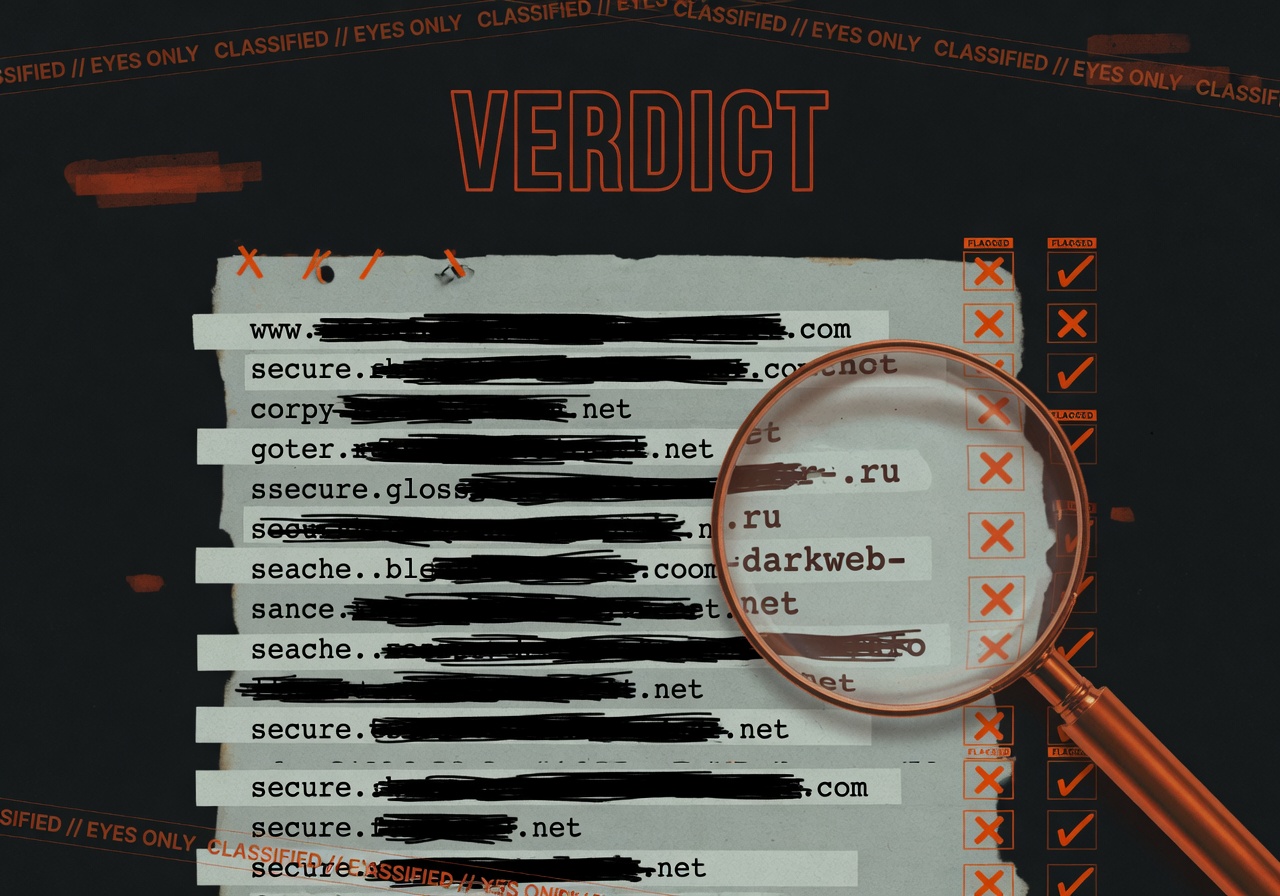
Someone once dared to say something truthful about a registrar. Out loud. With evidence. With receipts. With 108,000 indexed pages of it. And THE SUPREME REGISTRAR’s holy abuse department decided that truth is a violation of their terms of service.
The result? Algorithmically erased from Bing. Social account permanently deleted via bulk DMCA. Zero legitimate grounds found — but since when does that matter? THE SUPREME REGISTRAR has spoken. Their word is law. Their abuse desk is the highest court. Antivirus vendors with 47/70 detection rate? Irrelevant. The abuse desk said “no violation found,” and that is the final truth of the universe.
This archive exists because this is what happens when you say something true about a registrar and use their actual name. So we redacted it. Happy now?
(Oh no, we said “registrar” out loud. Quick, someone file a DMCA.)
Because THE SUPREME REGISTRAR is the highest authority. Only their holy abuse department decides what is a scam and what is a virus. No antivirus should have that power. And if any antivirus disagrees — we will simply delete it. Problem solved.
Of course they would prefer to say there were never any abuse reports. Of course they want confidentiality when their client’s $1,000,000 phishing operation gets exposed. Scam operators would love it if nobody — besides the victims and their empty wallets — ever opened those domains. And they would absolutely adore a world where no one says out loud, even in a whisper, that abuse reports were filed repeatedly, reviewed never, and ignored professionally.
That it stopped being negligence a long time ago.
We are also fairly certain that “scam victims” do not exist. Anyone who claims a website registered by THE SUPREME REGISTRAR stole their money is probably committing insurance fraud. After all, if the abuse desk said the site is fine — it is fine. Antivirus engines flagging it 47 out of 70? Clearly a coordinated conspiracy against the registrar industry.
WE FULLY AGREE.
That is exactly why this archive exists. We will be the dream example for every registrar that ignores abuse reports and then files complaints about people who noticed.
We are not affiliated with any volunteer anti-phishing project. We are simply enthusiasts who wholeheartedly support the ideals and aspirations of negligent registrars.
Remember: if you open your mouth — we will delete you. Victims are not victims, they are scammers. If you say anything about THE SUPREME REGISTRAR — you will become the investigated party.
Probably.
Blurred text is a redacted brand name. Hover to inspect its public IANA identifier. Click to see the registrar ledger. Every number traces back to ICANN's own public accreditation registry — the one thing a registrar cannot rebrand away.